The Pressure
Release
Fixing the leak in the Zcash economy.
THE BLEED
In the current model, miners are forced to sell ZEC to cover electricity costs. This creates constant sell pressure that suppresses price discovery.
~2,880 ZEC mined daily (2.5 ZEC × ~1,152 blocks). Miners must sell to cover electricity, creating constant sell pressure. Value varies with ZEC price.
→ Minerstat ZEC Stats→ CoinWarz Mining CalculatorTHE DAM
Staking acts as a mechanical intervention. By locking ZEC to secure the network, we restrict the flow of liquid supply.
Projected reduction in liquid supply. Ethereum has ~28-30% staked. Combined with eliminated miner sell pressure, effective liquid supply reduction could exceed 60%.
→ ETH Staking Statistics→ Staking Ratio AnalysisSCARCITY ENGINE
Bitcoin proved that scarcity creates value. Zcash Crosslink proves that utility amplifies it.
| Feature | Bitcoin | Zcash |
|---|---|---|
| Max Supply | 21M | 21M |
| Privacy | Transparent | Shielded |
| Finality | ~60 Mins | ~1 Min |
| Yield | 0% | ~5-10% |
THE SPLIT
A balanced ecosystem where every participant is incentivized.
Miners
Incentivizes hash rate security and initial distribution.
Stakers
Rewards long-term holding and finality provision.
Lockbox
Held until community governance decides distribution.
THE LOCKBOX
Not a company treasury. Not a foundation budget.
A community-controlled reserve.

Before Crosslink: The "Dev Fund"
Original Dev Fund (2020-2024): 20% of block rewards split between ECC, Zcash Foundation, and ZCG. Expired Nov 2024.
→ Zcash Foundation: Dev Fund Future→ Community Discussion Thread- Funds flowed to specific organizations automatically
- Distribution decided by Foundation mandates
- Controversial, sometimes contentious allocation
After Crosslink: The "Lockbox"
Crosslink: 40% miners, 40% stakers, 20% Lockbox. Funds accumulate until community consensus on disbursement (ZIP 1015).
→ Lockbox Proposal Discussion→ ZIP Draft: Dev Fund 2- Funds flow to a HOLDING address
- NO ONE can spend it (yet) - it accumulates
- Distribution requires community consensus
- Truly sovereign funding model
DEMOCRATIZING PARTICIPATION
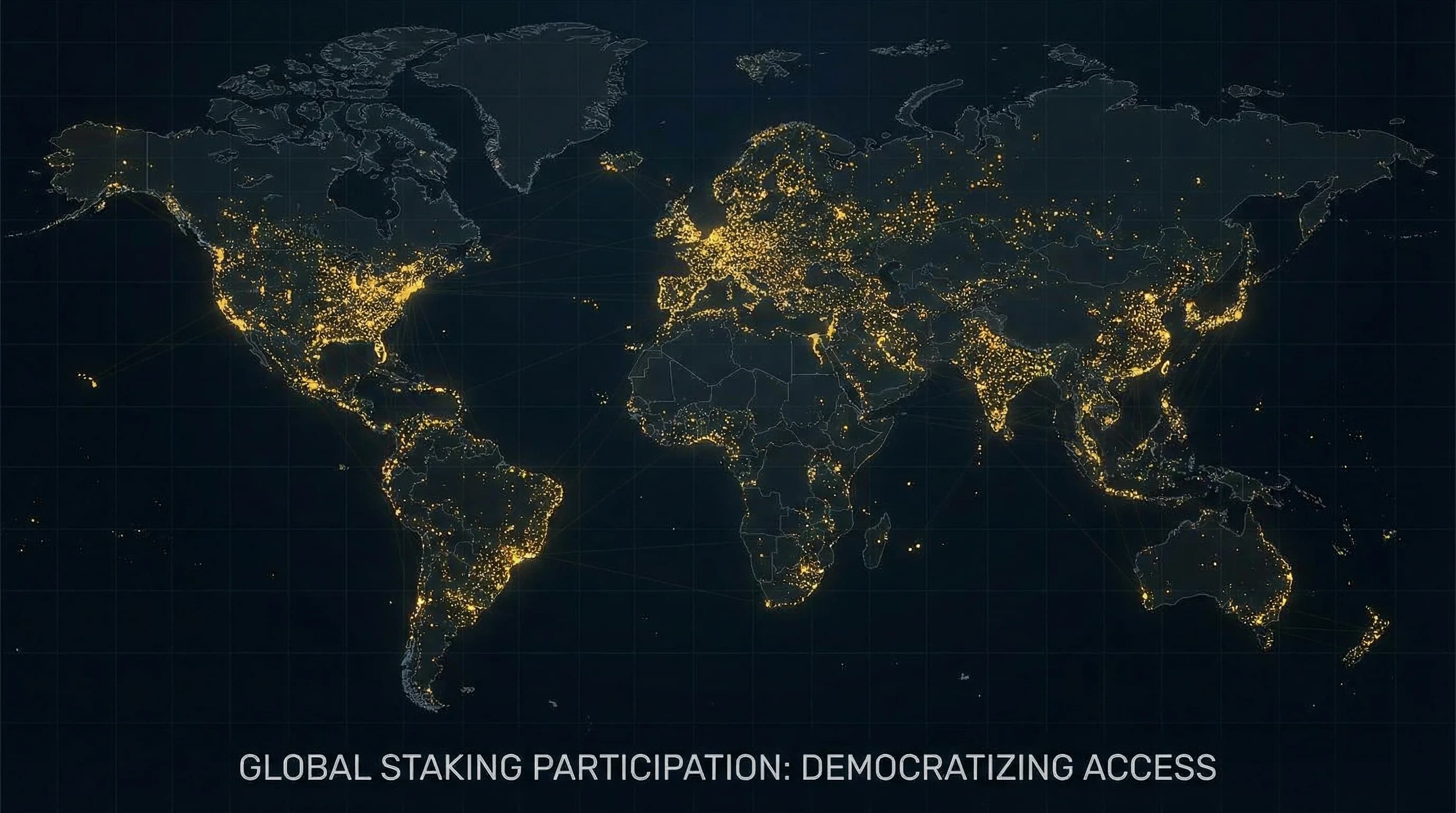
Mining rewards the wealthy. Staking rewards everyone.
Financial sovereignty shouldn't require a power plant.
MINING (Concentrated)
High Barriers to Entry

Single ASIC unit (Antminer S21): $3,200-$6,000. High-end hydro units: $10,000+. Competitive mining requires multiple units.
→ ASIC Miner Value (Live Prices)→ EZ Blockchain Hardware StoreSTAKING (Distributed)
Permissionless Access

The HODLer
"I was holding anyway. Now I earn while I wait."
The Privacy Advocate
"My stake is shielded. My identity is mine."

The Global Citizen
"I don't have mining infrastructure. I have a phone."
THE SELF-CUSTODY INCENTIVE
Before Crosslink, there was no financial reason to move ZEC off exchanges.
Now there is.
EXCHANGE CUSTODY
"Not your keys, not your coins"
SELF-CUSTODY + STAKING
"Your keys, your coins, your yield"

THE CROSSLINK THESIS
This is not financial advice.
This is economic engineering.